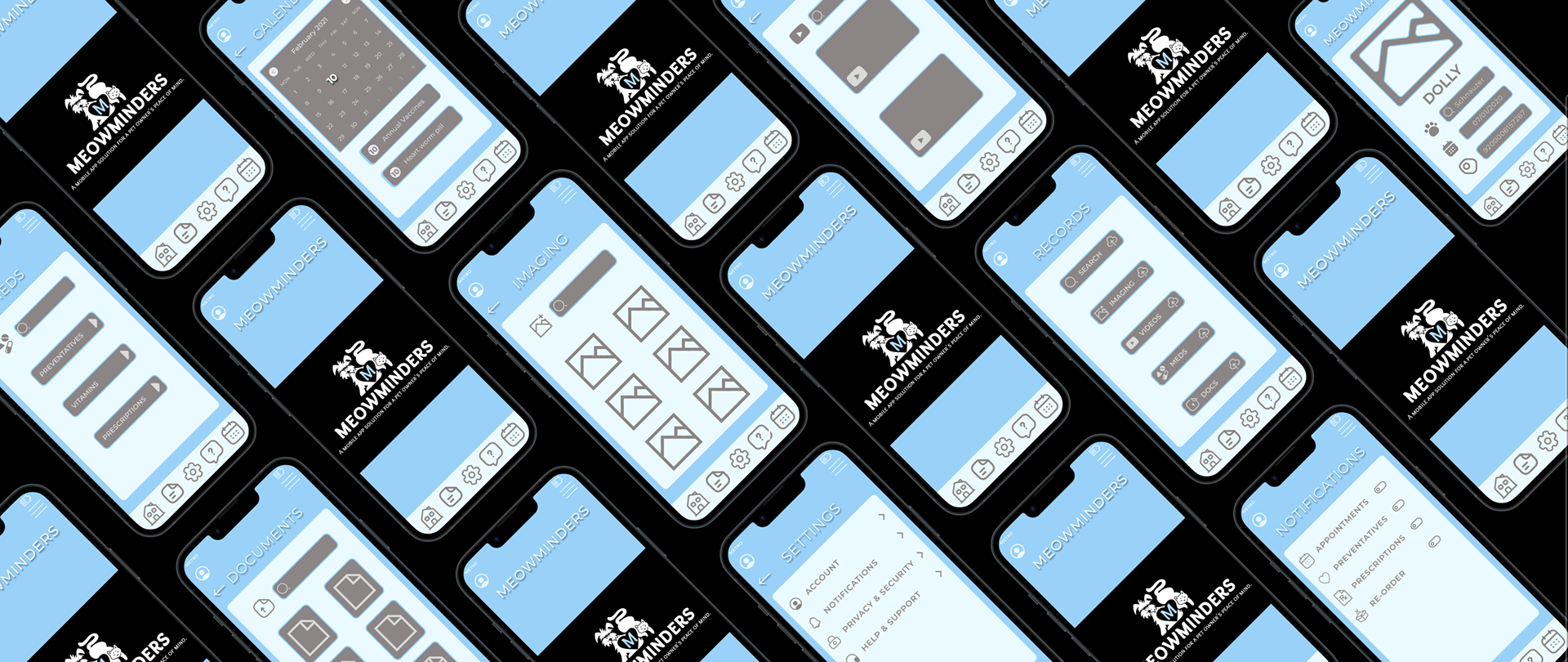
Pet Care, Simplified
Managing a pet's health shouldn't mean juggling paper records, appointment reminders, and multiple apps. This mobile app was designed to give pet owners a single, intuitive place to schedule veterinary appointments, track medications and vaccinations, order prescriptions, store important health records, and receive personalized reminders. Through user research, journey mapping, wireframing, prototyping, and usability testing, the experience was crafted to reduce stress, improve organization, and help pet owners confidently care for every stage of their pet's life.
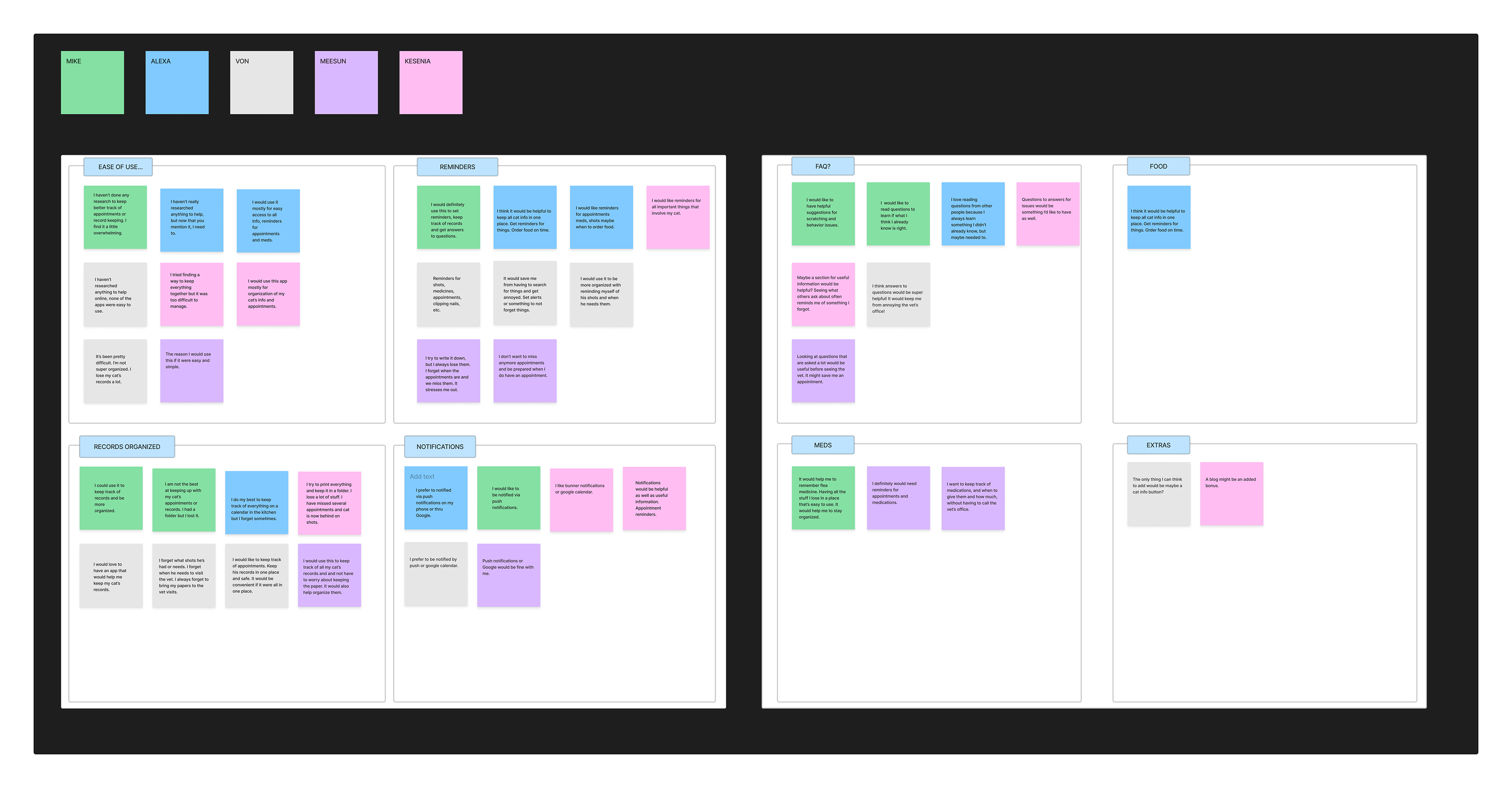
to better understand the needs of pet owners, I conducted affinity mapping to organize research findings into meaningful themes. Insights gathered from user interviews, surveys, and competitive analysis were grouped by common behaviors, frustrations, and goals, revealing patterns around appointment management, medication tracking, vaccination records, prescription refills, and emergency information.
This process helped identify the features users valued most, prioritize pain points, and uncover opportunities to simplify the pet care experience. The resulting themes guided product decisions, information architecture, and feature prioritization, ensuring that MeowMinders was designed around real user needs rather than assumptions.
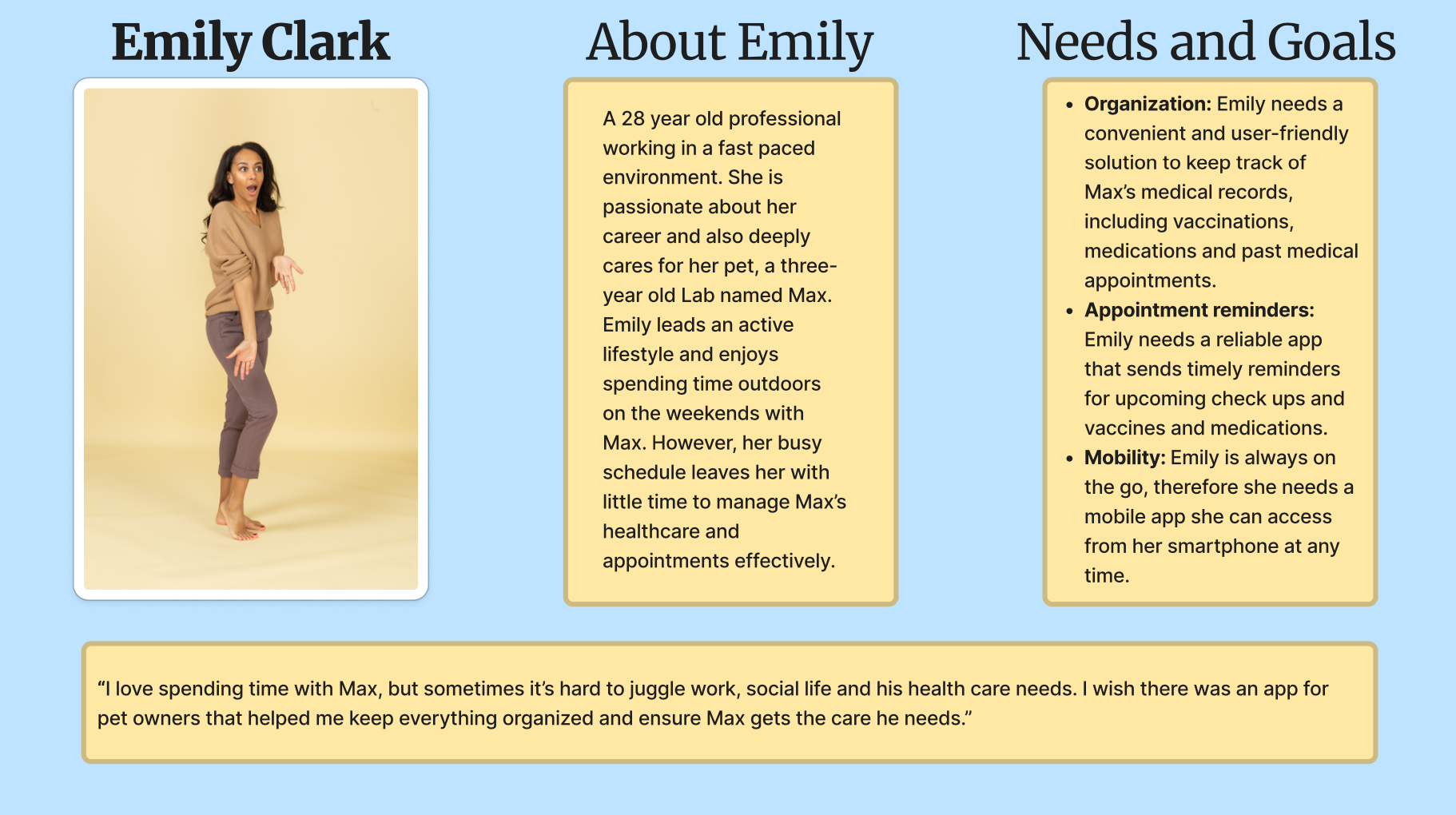
To design a meaningful solution for MeowMinders, I developed user personas based on research insights gathered from pet owners, identifying common behaviors, challenges, motivations, and goals. Personas helped transform research data into relatable user profiles, allowing the design process to stay focused on the real people using the app.
For MeowMinders, personas highlighted key user needs such as keeping track of veterinary appointments, managing medications and vaccinations, accessing important health records, ordering pet supplies, and reducing the stress of remembering critical care tasks. By understanding users’ lifestyles, frustrations, and expectations, I was able to prioritize features and create an experience that felt organized, reliable, and personalized for every pet owner.
These personas served as a foundation for user flows, information architecture, wireframes, and usability testing—ensuring that every design decision supported a more seamless and confident pet care experience.
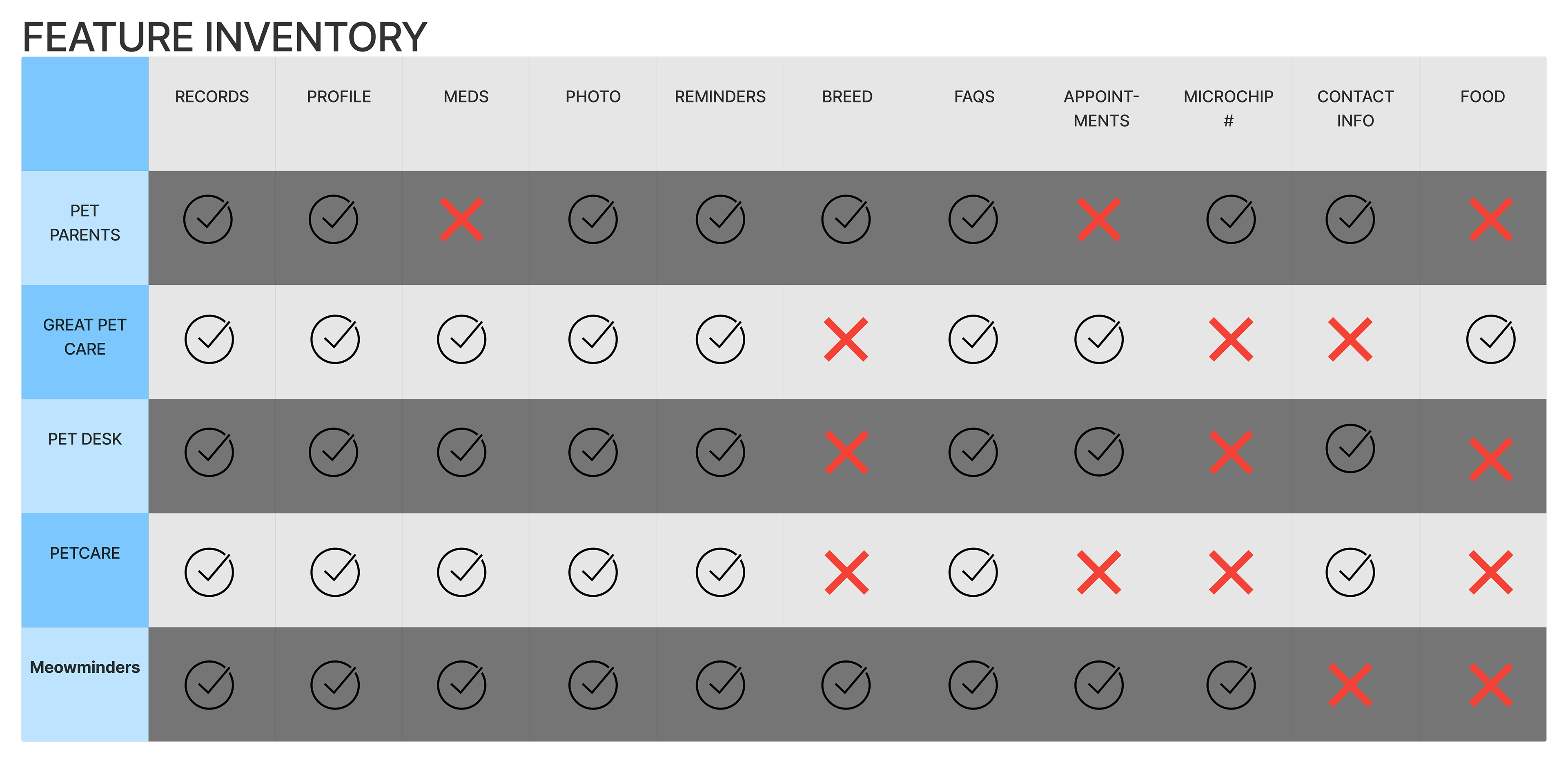
To identify opportunities for improvement and create a stronger experience for MeowMinders, I developed a feature inventory chart to evaluate existing pet care apps and understand how competitors approached common user needs. By analyzing features such as appointment scheduling, medication tracking, vaccination records, prescription ordering, reminders, pet profiles, and health history management, I was able to compare strengths, gaps, and areas where current solutions fell short.
This research helped uncover opportunities to differentiate MeowMinders by focusing on a more streamlined, all-in-one pet care experience. The feature inventory allowed us to prioritize the most valuable functionality, eliminate unnecessary complexity, and design features that directly addressed user frustrations.
By combining competitive research with user insights, the inventory chart became a strategic tool for making informed design decisions and creating a mobile app experience that was more intuitive, organized, and personalized for pet owners.
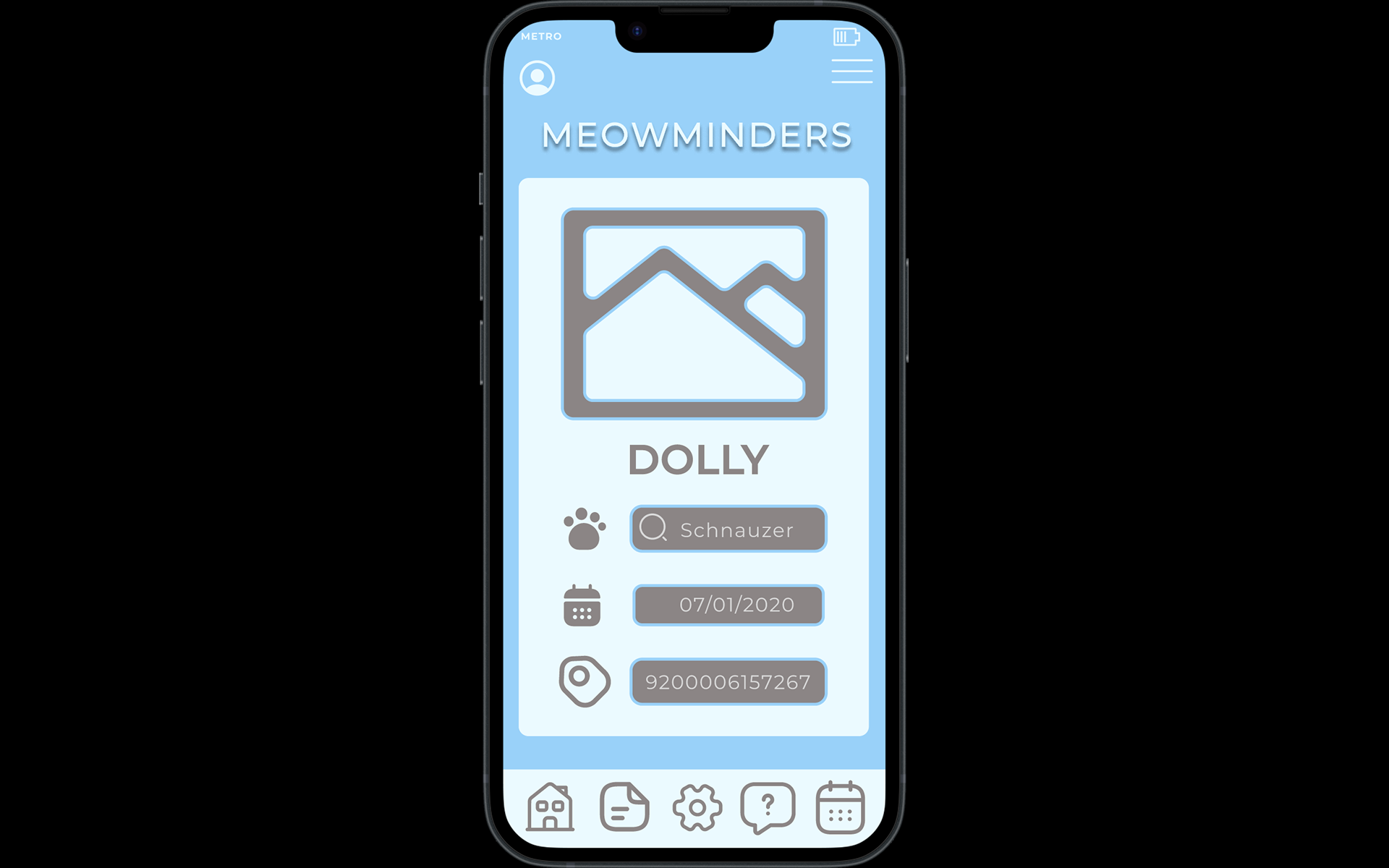
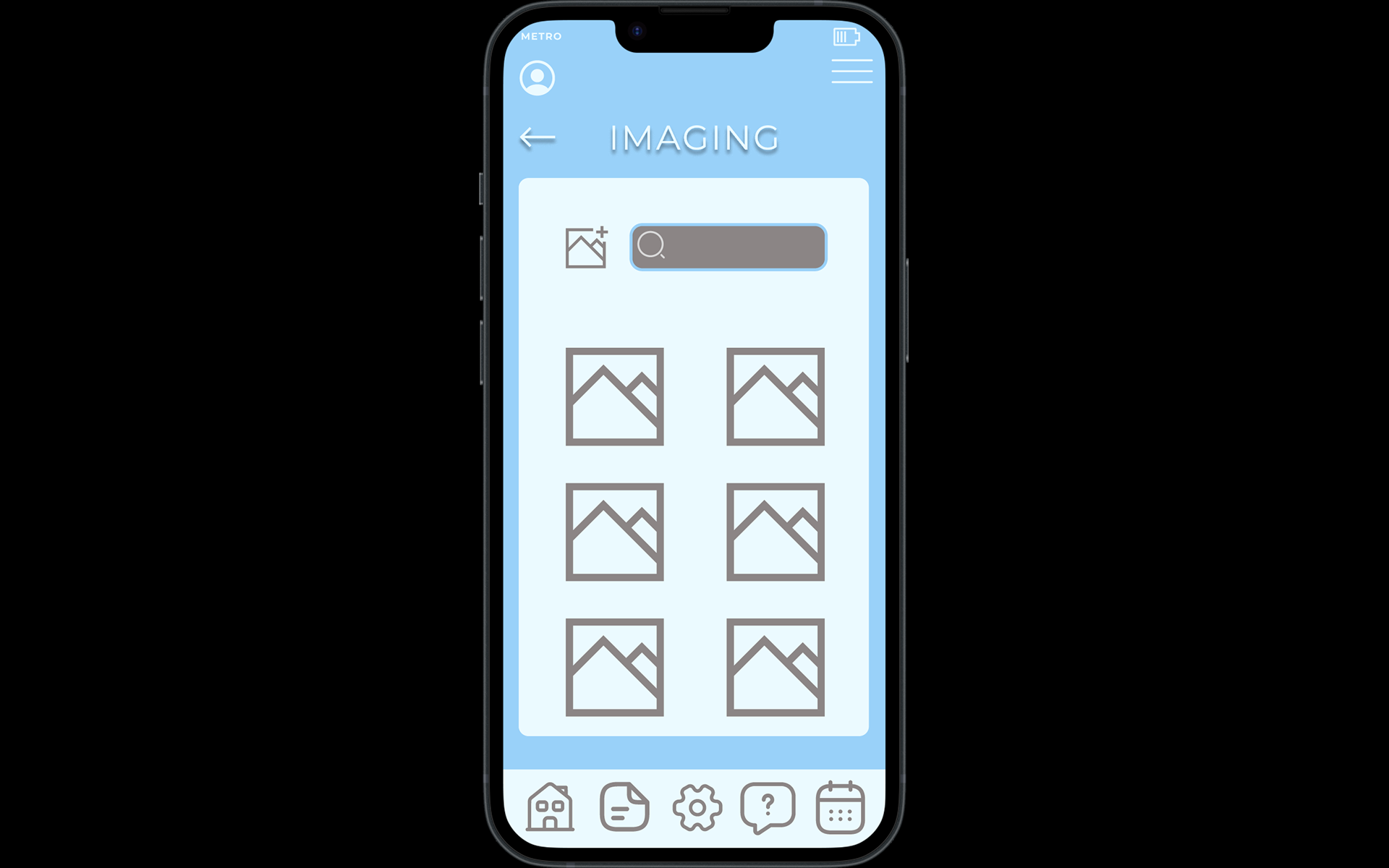
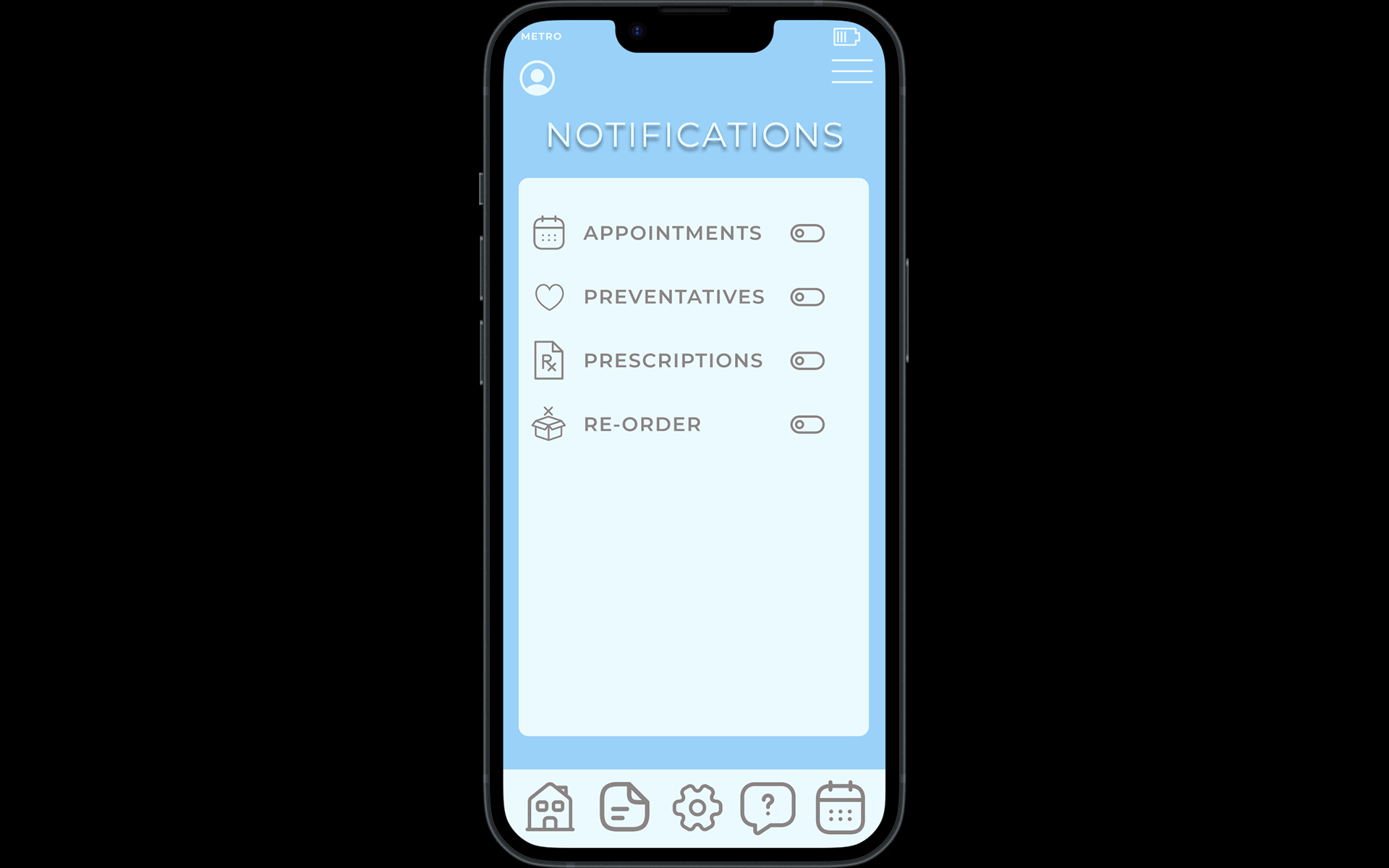
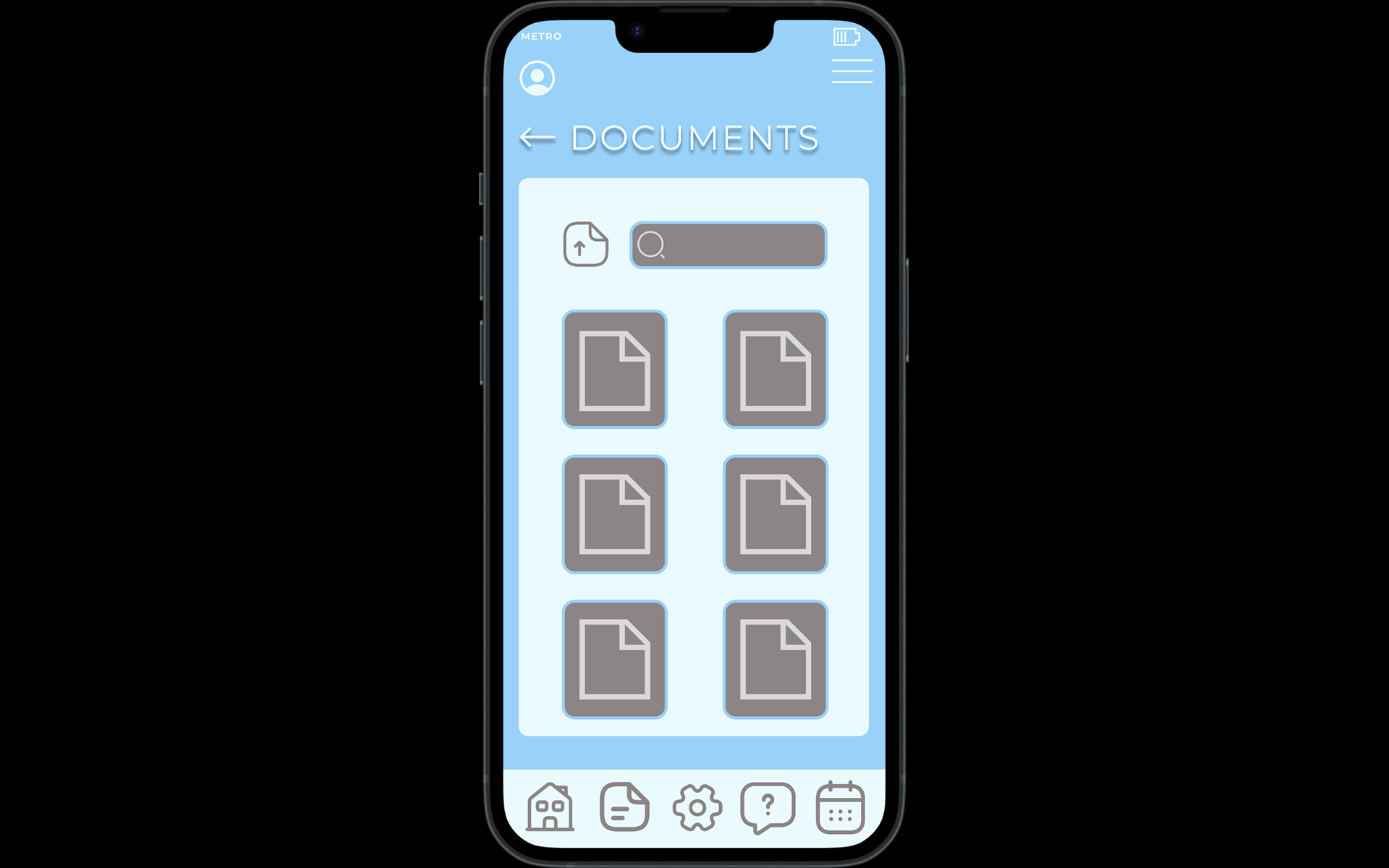
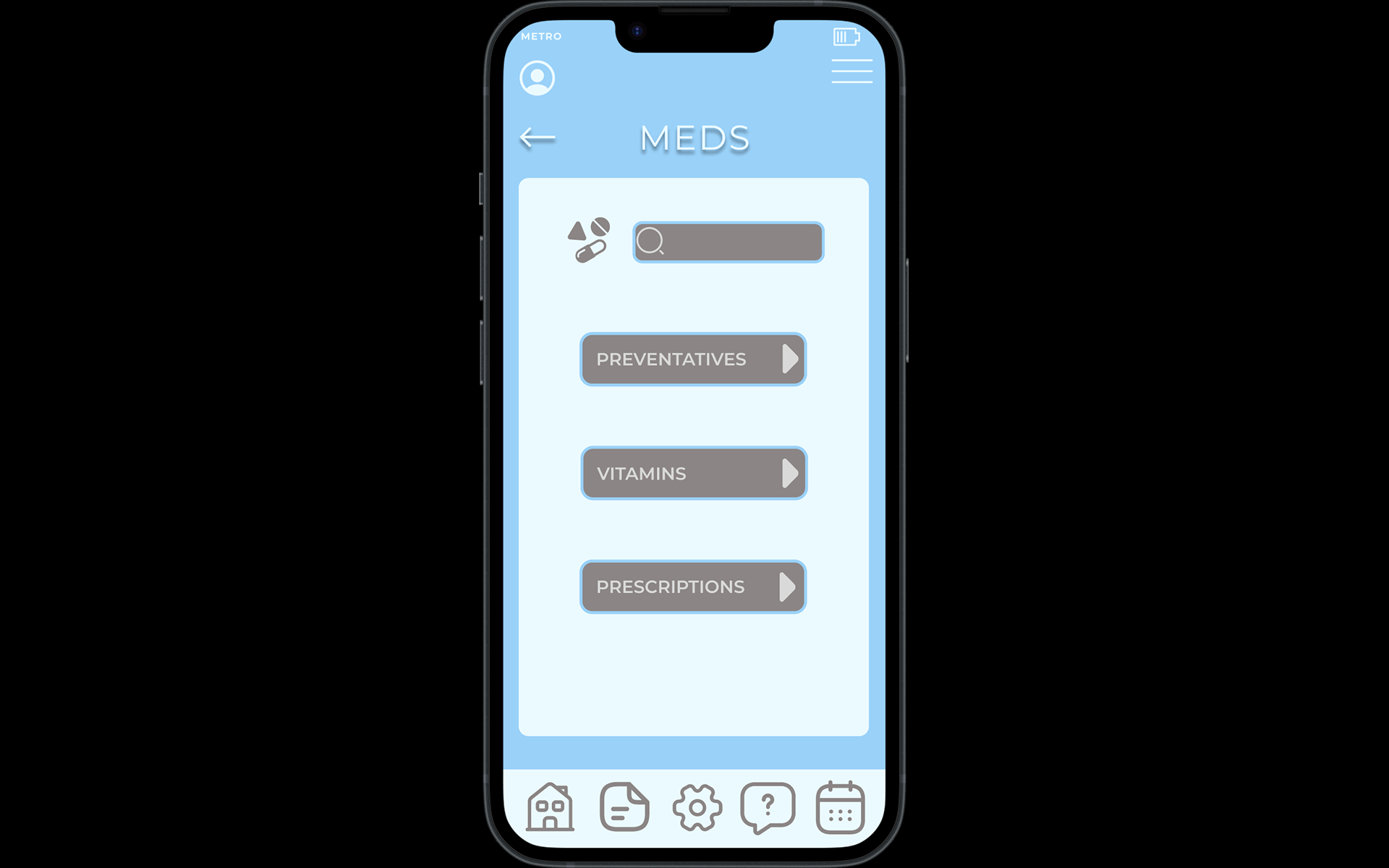
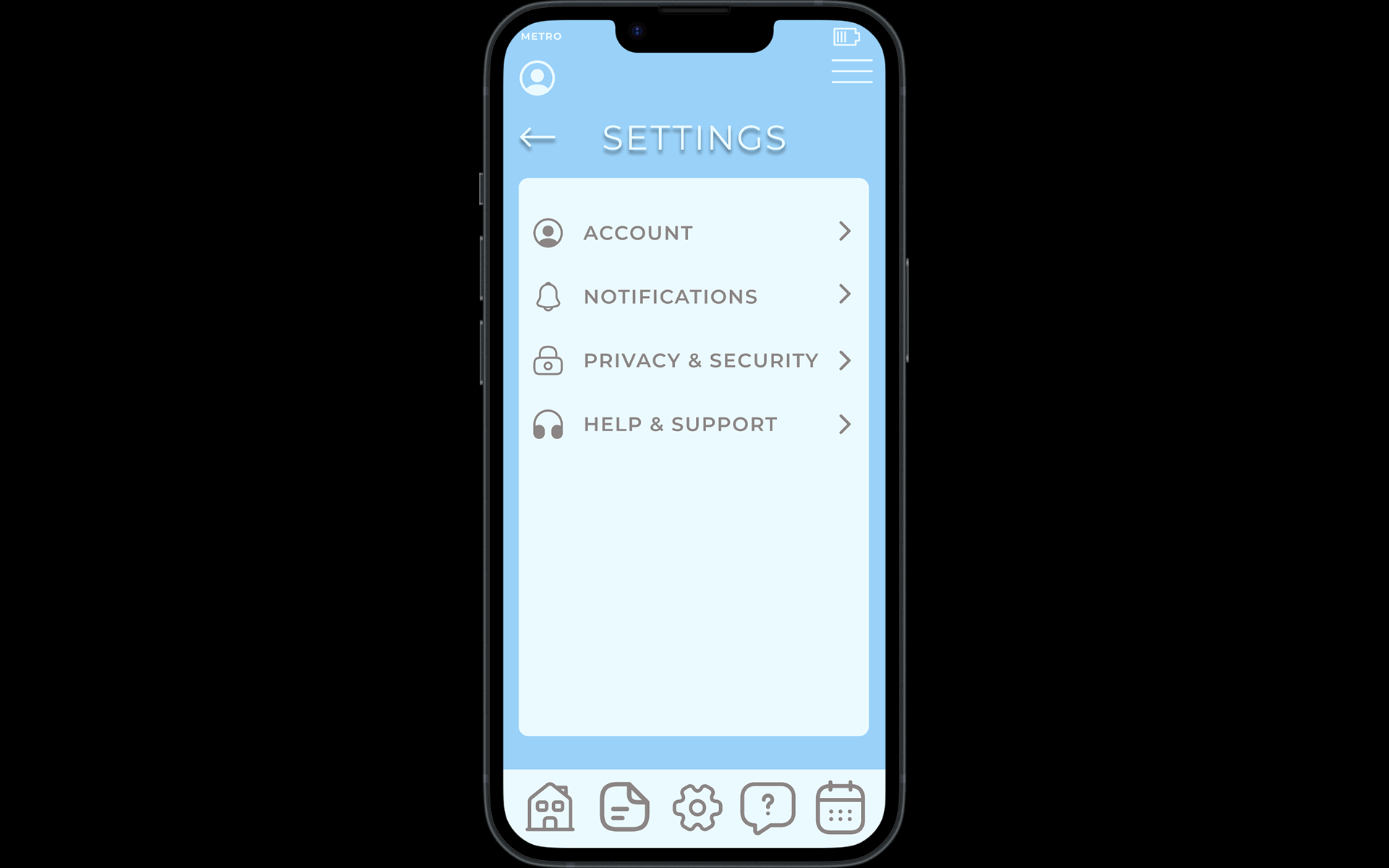
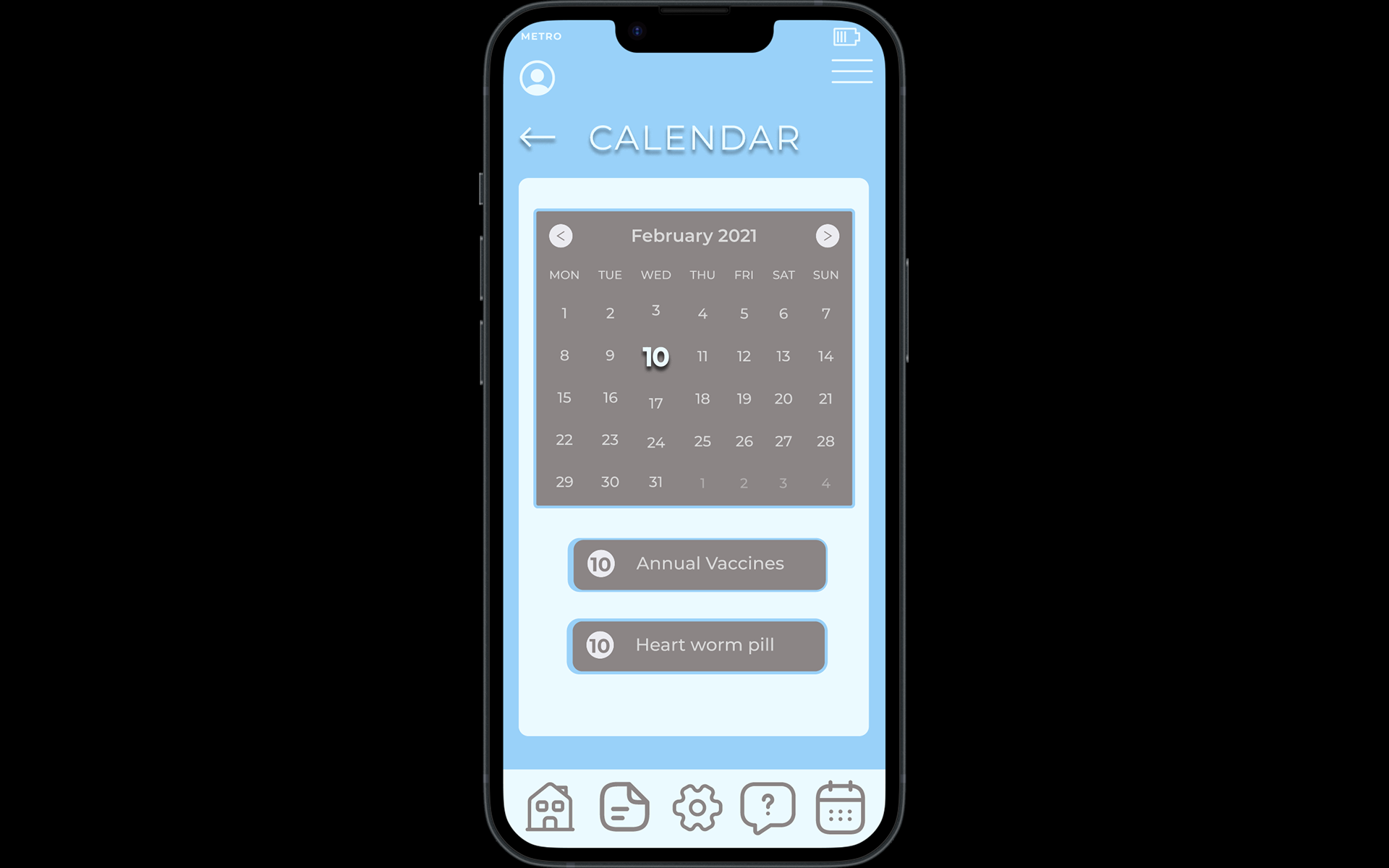
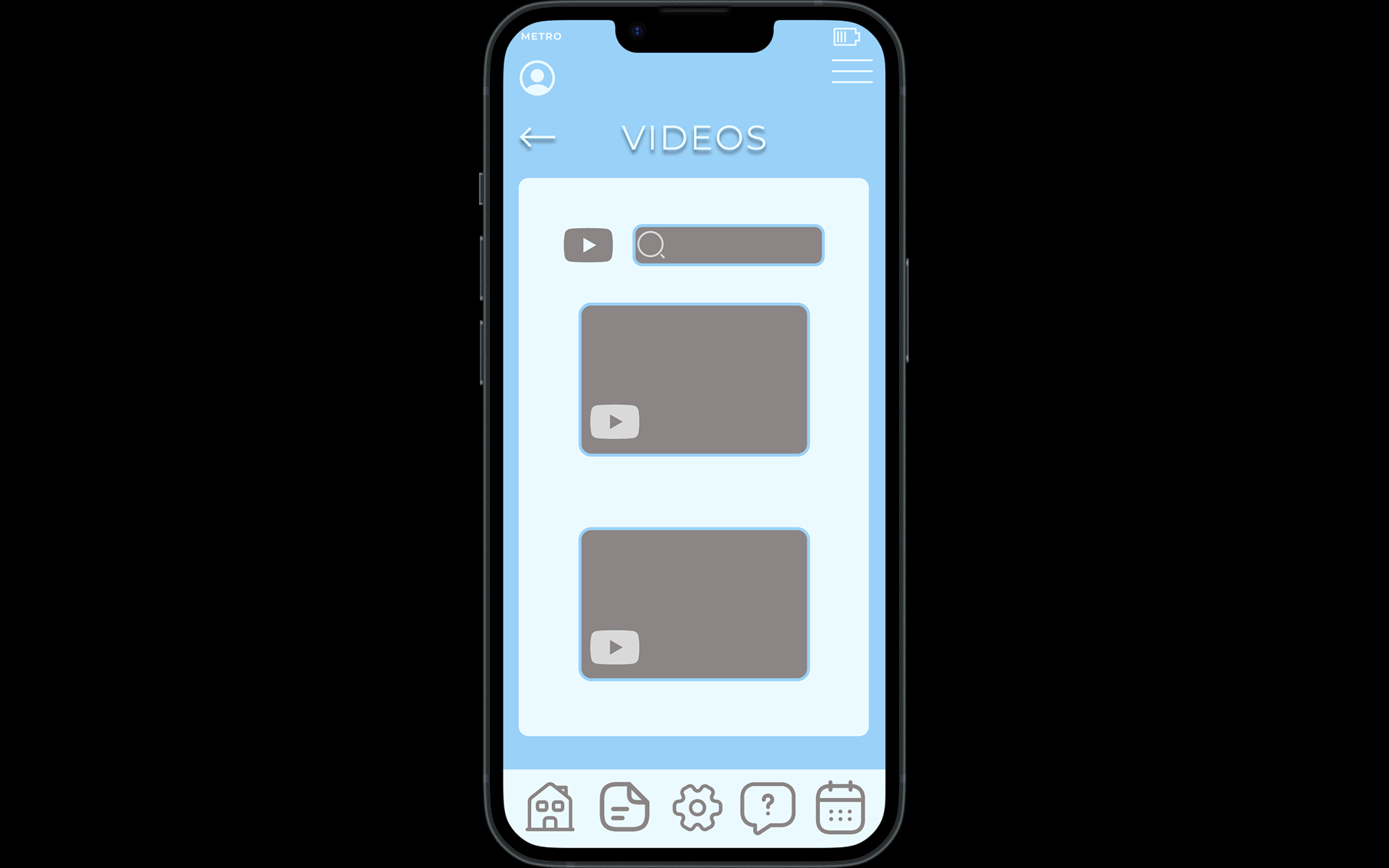
After defining user needs, prioritizing features, and creating initial wireframes, I developed an interactive prototype for MeowMinders to simulate the experience of using the mobile app before final development. The prototype allowed users to navigate key features such as creating pet profiles, scheduling appointments, tracking medications, viewing vaccination records, ordering prescriptions, and managing important health information.
By testing the prototype with real users, I was able to observe how easily they completed tasks, identify points of confusion, and gather feedback on the overall experience. These insights helped uncover usability issues, refine user flows, improve navigation, and ensure the app was intuitive and efficient.
The prototype testing phase transformed early concepts into a validated solution, allowing design decisions to be driven by user behavior and feedback while creating a more seamless and trustworthy pet care experience.